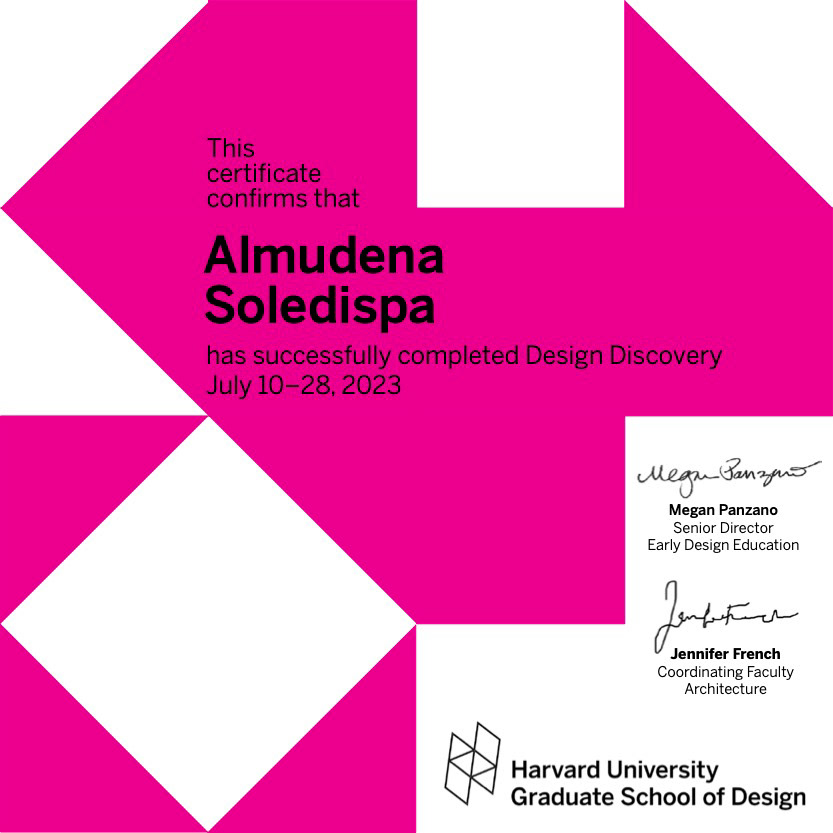
During this intensive architecture studio, I explored how spatial design can influence human perception, movement, and emotional experience. Working through rapid iterations, physical modeling, and architectural drawing, I developed a project investigating space as a sequence of sensory moments rather than simply an enclosed structure.
FINAL PROJECT: Floating frames
This project explored architecture as a framework for psychological experience. Rather than organizing space according to function alone, I designed a sequence of interconnected rooms that guide occupants through moments of compression, openness, light, and reflection. The project investigates how geometry, circulation, and material relationships shape memory and emotion.
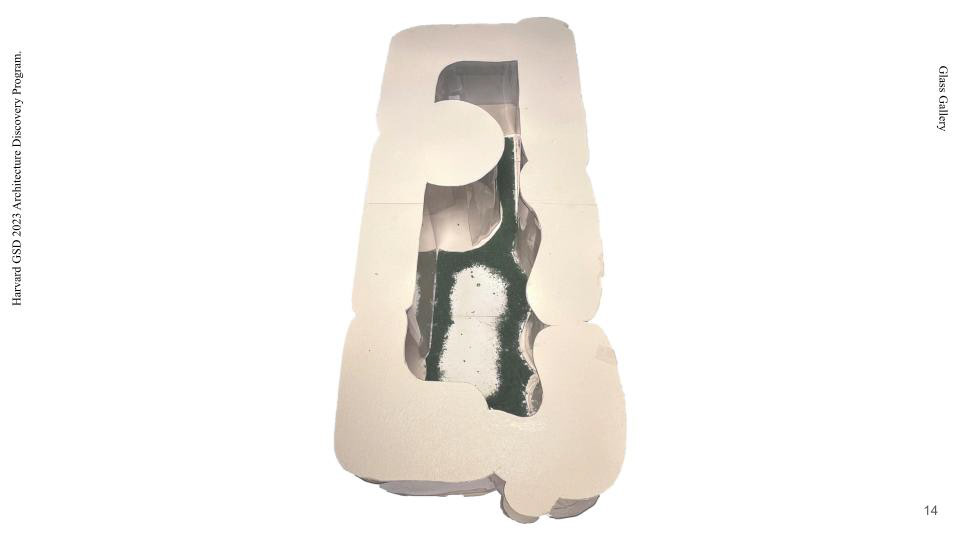
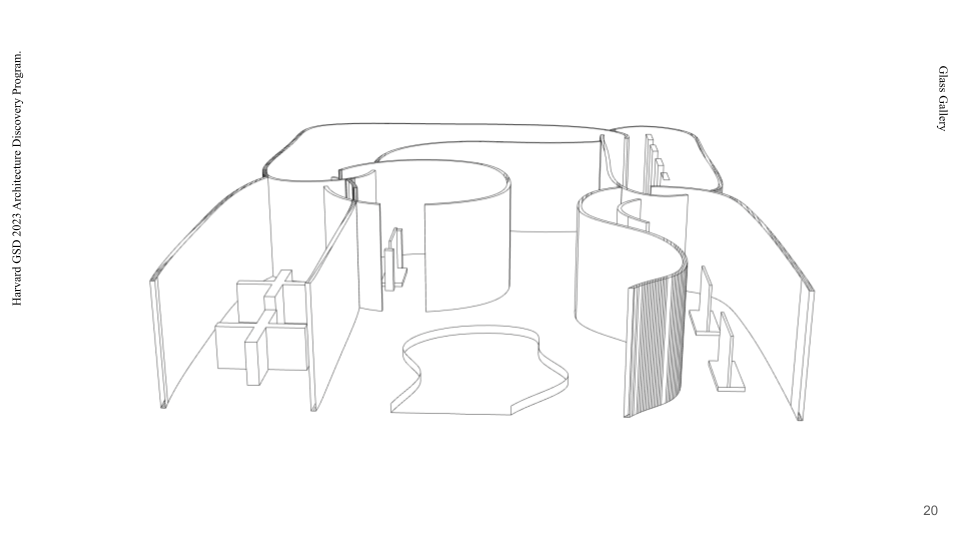
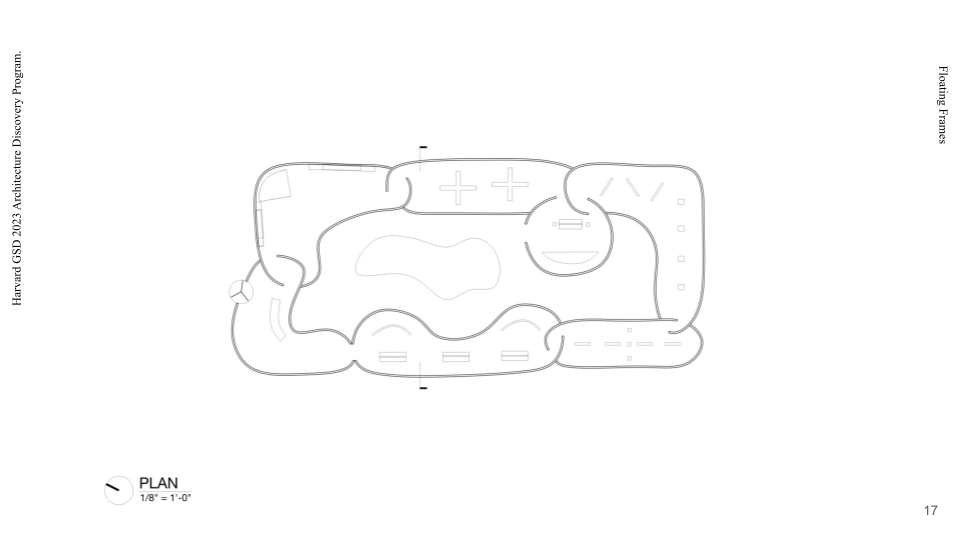
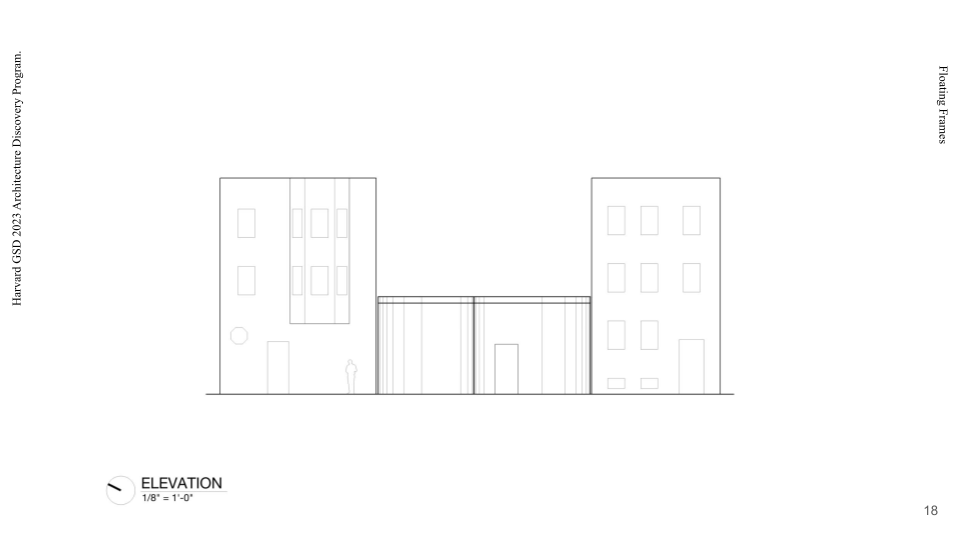
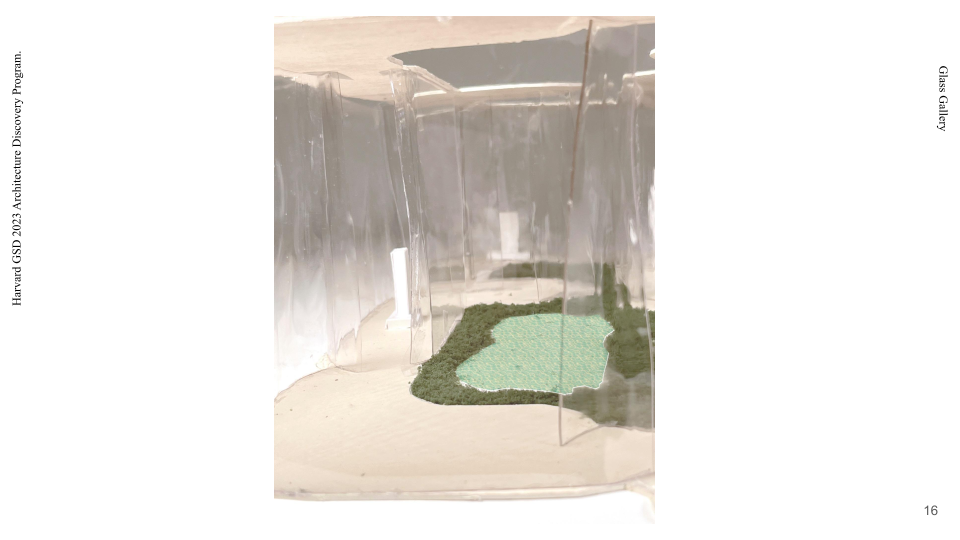
ITERATIONS AND PROTOTYPES
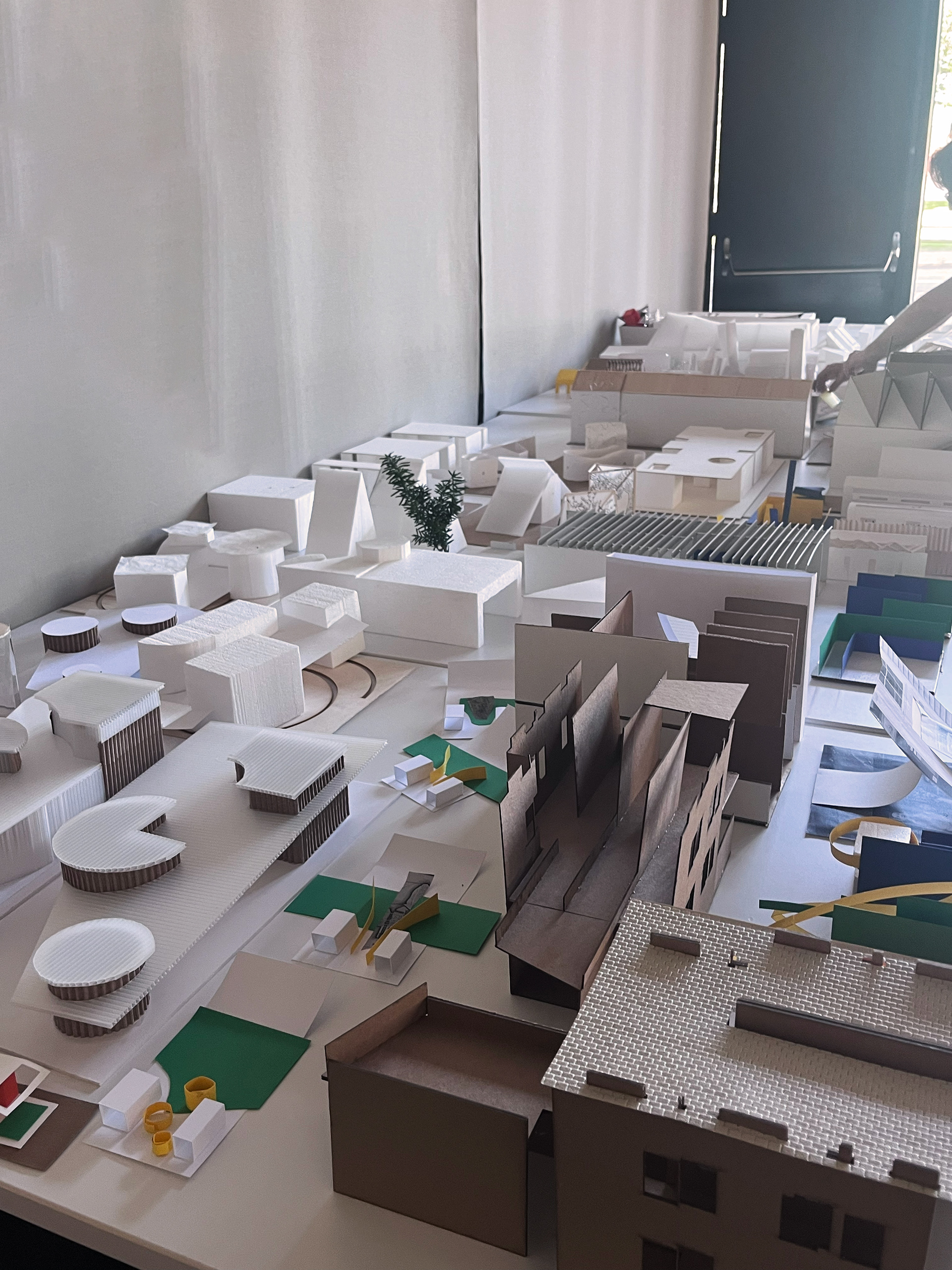
Every design decision emerged through continuous experimentation with geometry, circulation, materiality, and spatial experience. Physical prototypes allowed ideas to be tested at multiple scales before arriving at the final architectural proposal.
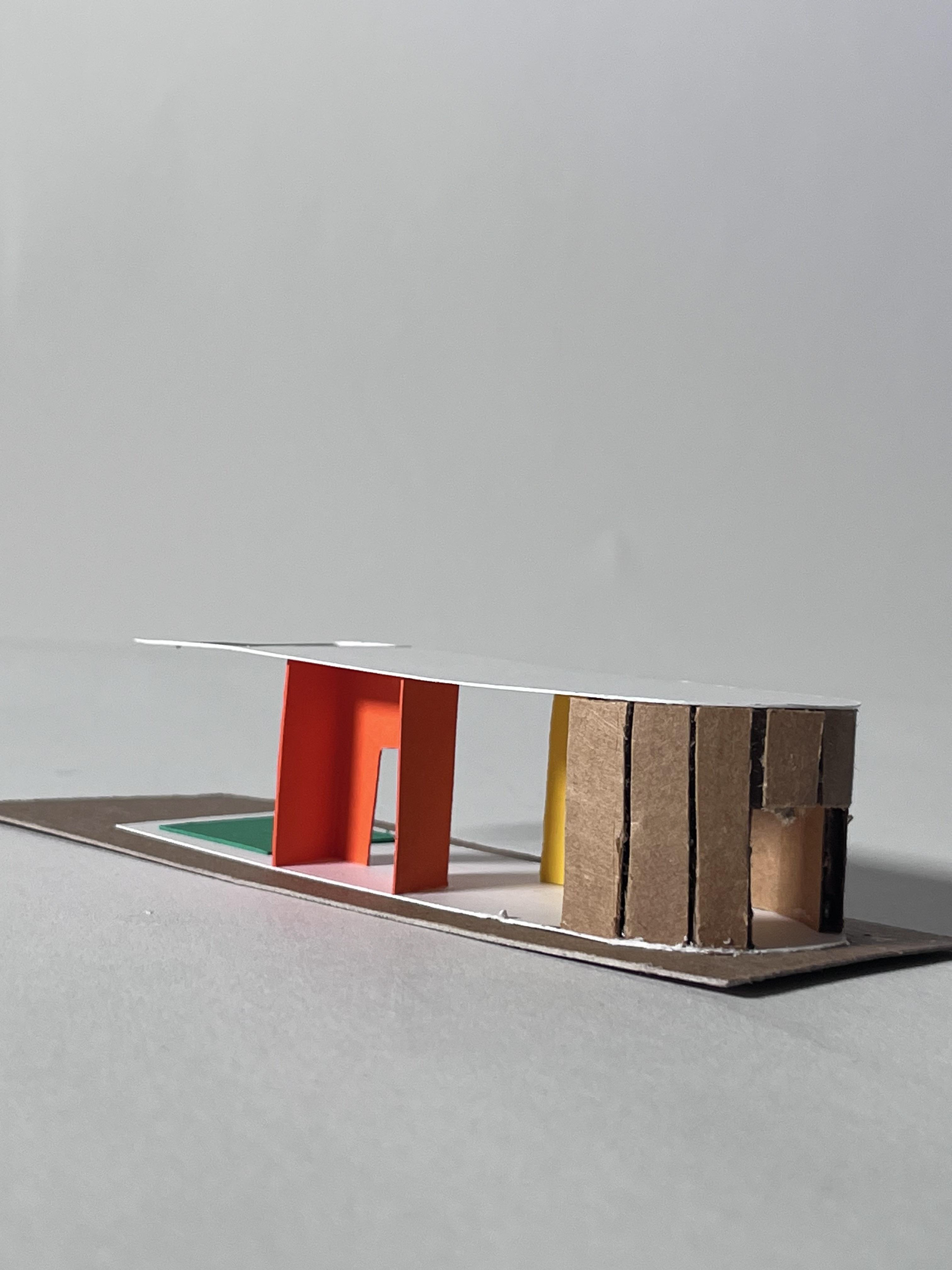
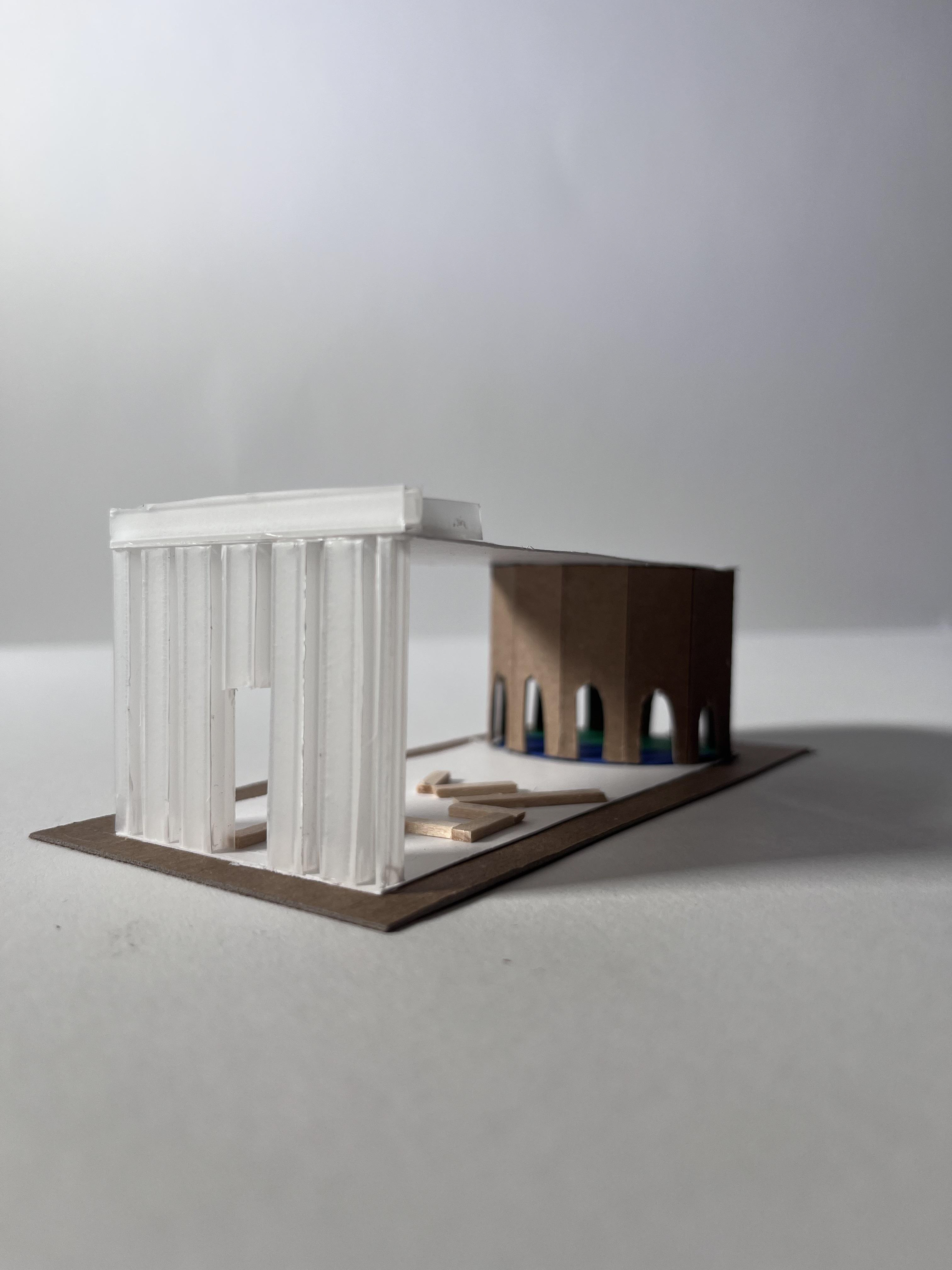
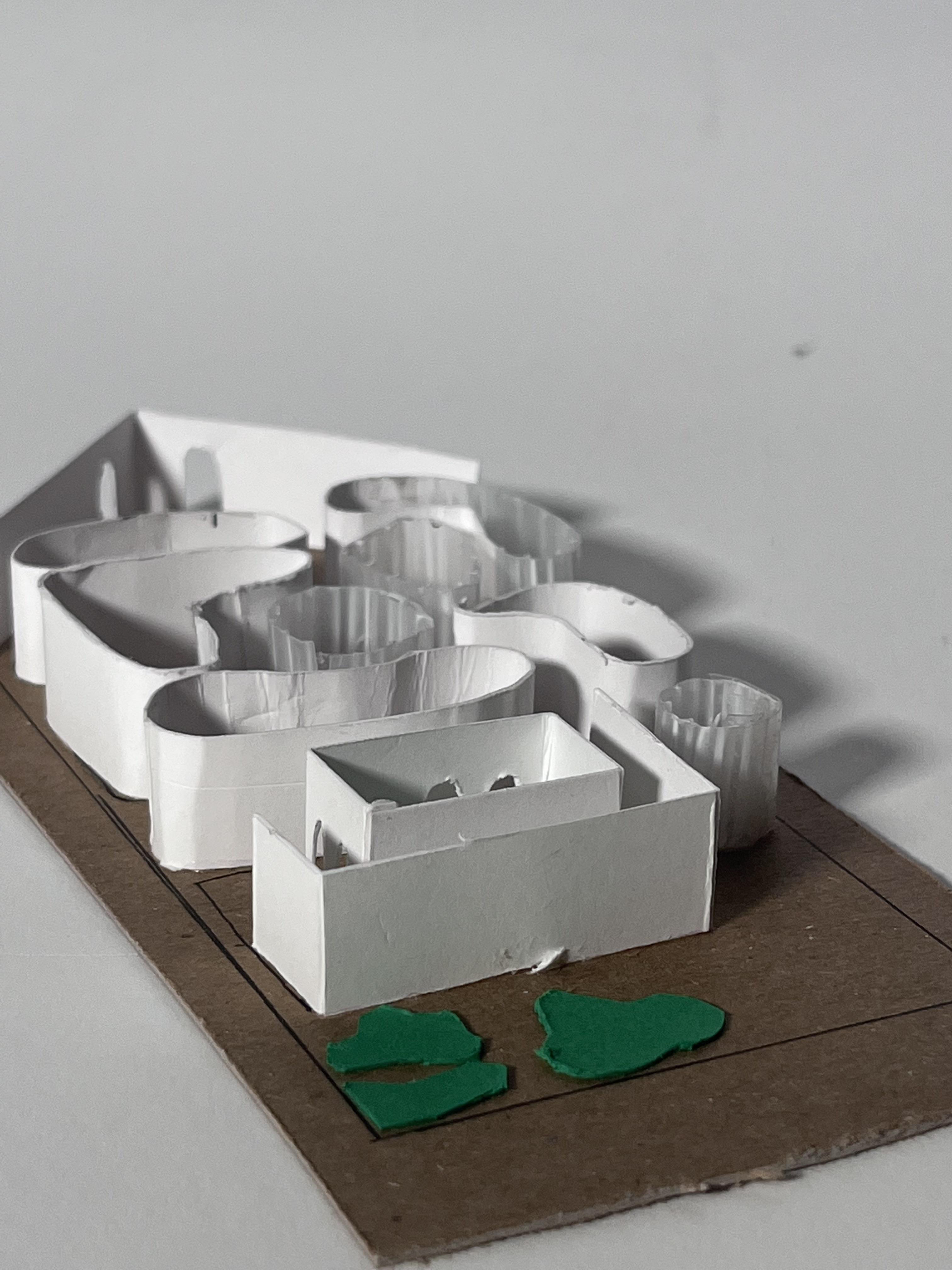
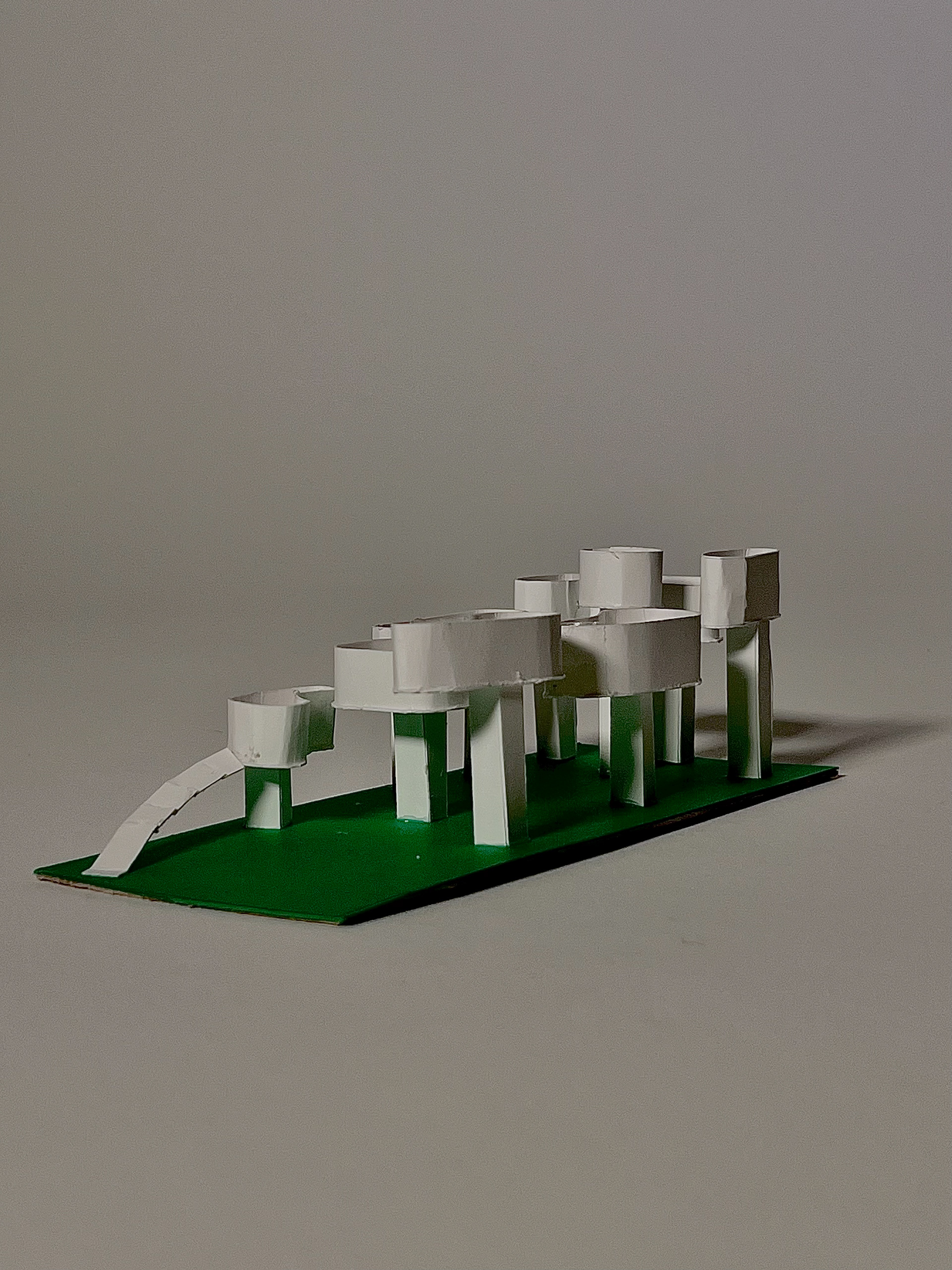
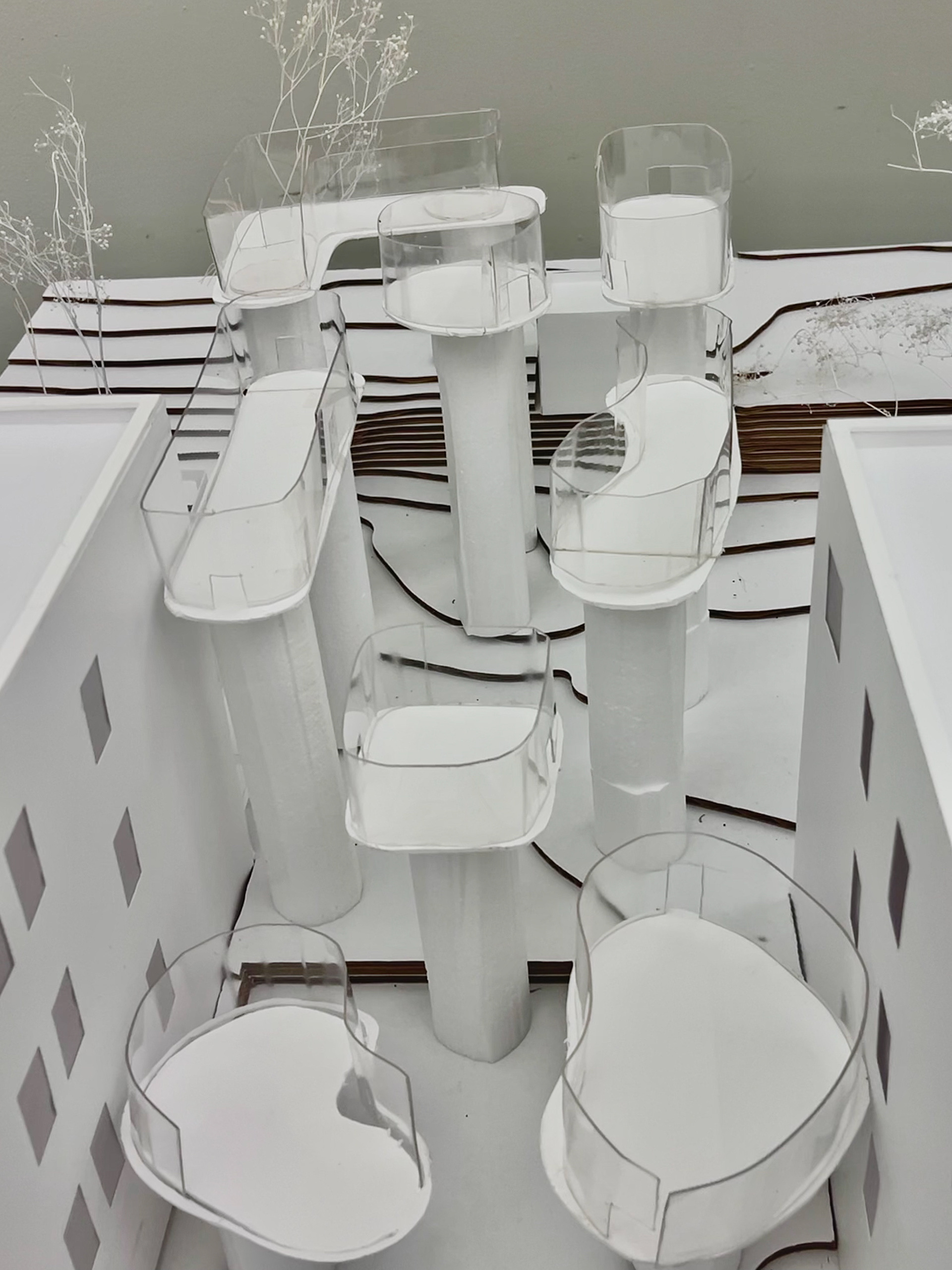
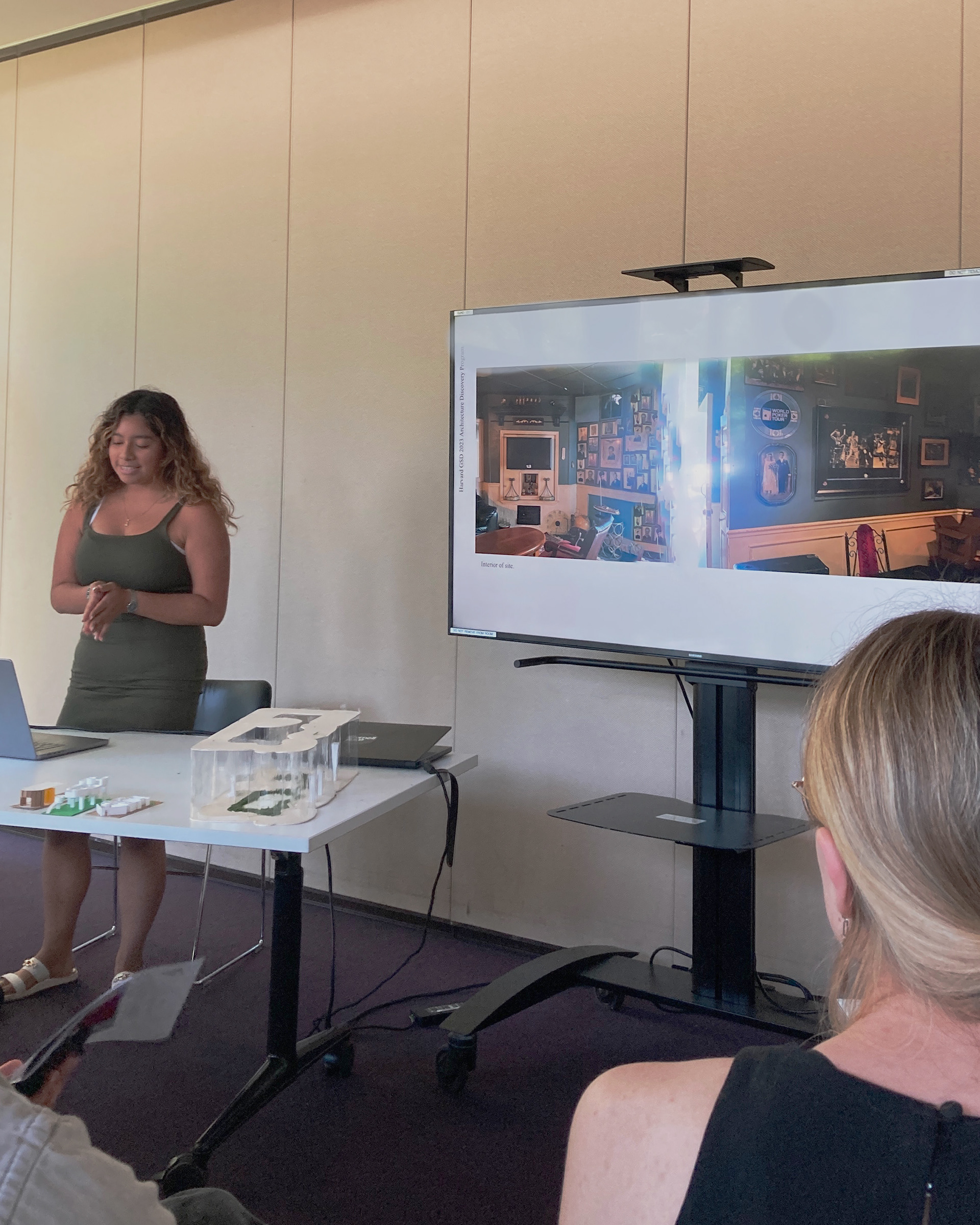
Presented the project through architectural drawings, physical models, and conceptual diagrams, discussing how spatial sequencing could influence perception and user experience.
Acrylic, foam core, and chipboard were used to investigate layered circulation, changing elevations, and the relationship between enclosed and open gathering spaces.
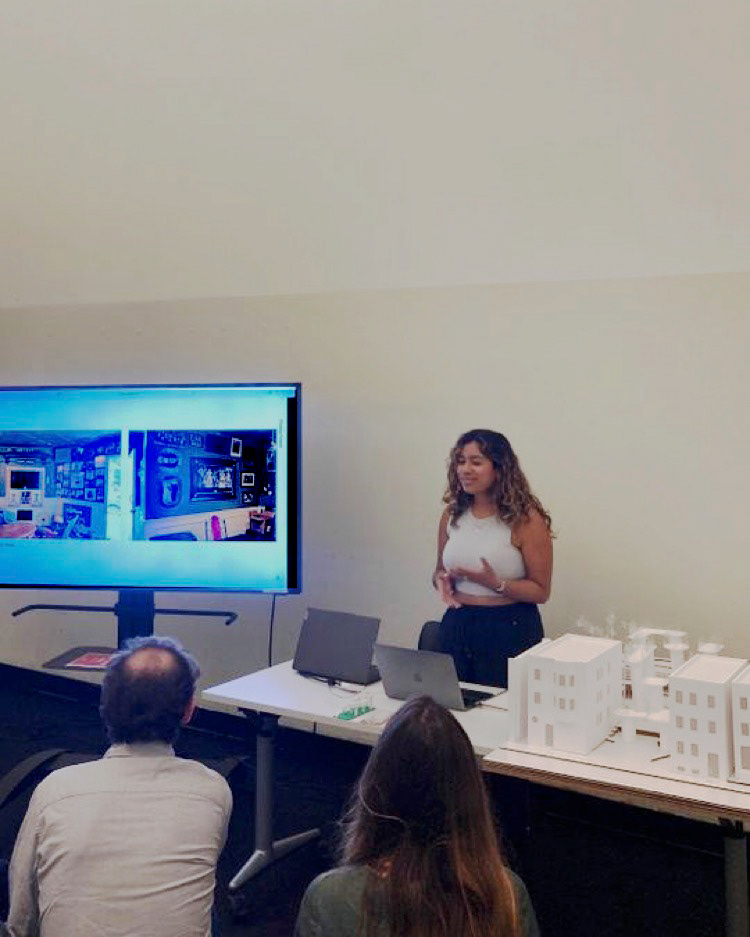
Final Review and presentation
The final project was presented during Harvard GSD's concluding studio reviews, where faculty and peers evaluated the conceptual development, architectural language, and spatial organization of the proposal. These critiques emphasized iterative refinement, visual communication, and the ability to articulate design intentions.
REFLECTION
The Design Discovery Program marked a pivotal moment in my design education. It strengthened my ability to transform abstract ideas into tangible spatial experiences while teaching me to embrace critique, iteration, and experimentation as fundamental parts of the design process. More importantly, it expanded my understanding of architecture as a discipline that intersects with history, culture, and human experience—a perspective that continues to shape my work in exhibition design, archaeological research, and cultural heritage.
What I gained
• Conceptual Design Thinking
• Architectural Representation
• Physical Model Fabrication
• Public Speaking & Design Critiques
• Iterative Design Process
• Spatial Storytelling
• Collaborative Studio Environment